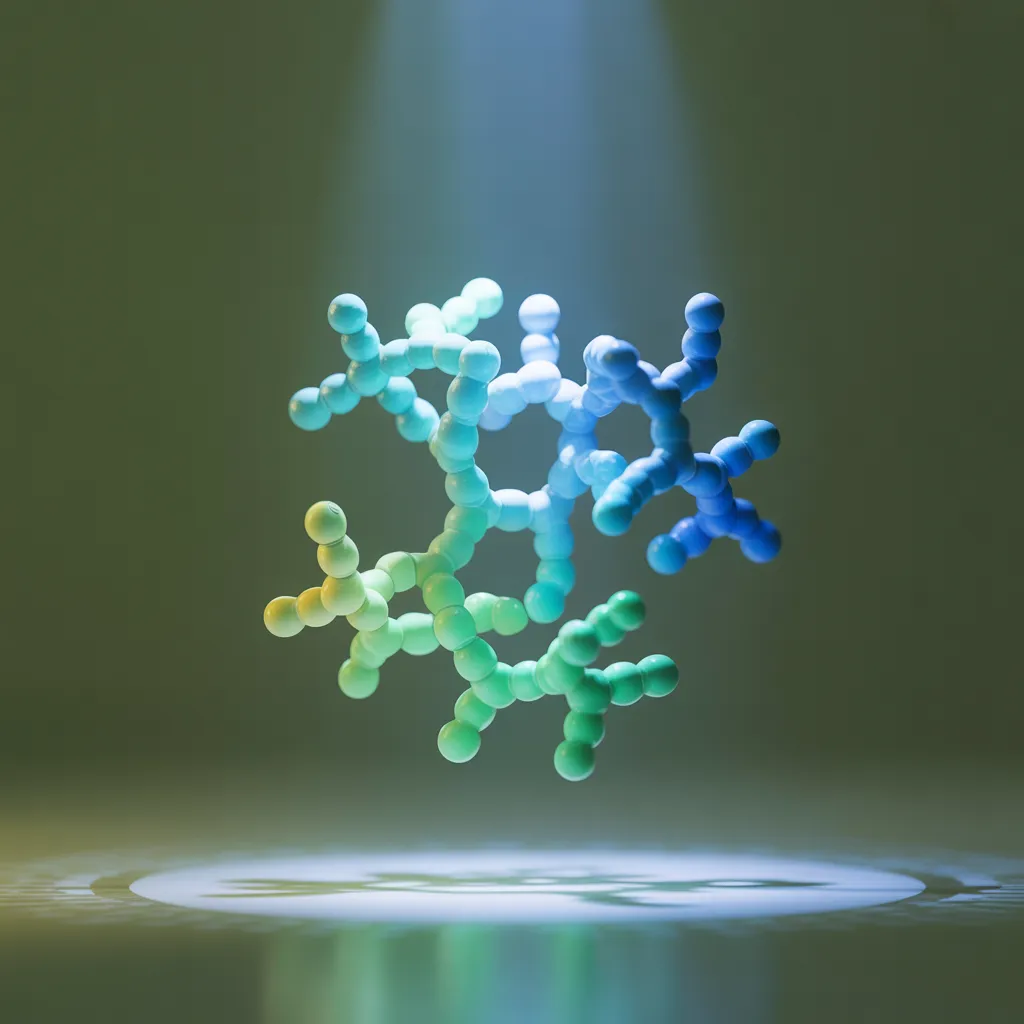
Peptides have established themselves as powerful forces in the domain of athletic performance. Their capacity to enhance muscle growth and boost recovery is rooted in complex biochemical processes. By understanding how these signaling molecules function, athletes can potentially optimize their training outcomes. However, the landscape of peptide use is not without its pitfalls and hazards. Exploring the complexities of these compounds reveals a wealth of information that could impact training strategies considerably.
How Do Peptides Function and What Define Them?
Peptides, which are short chains of amino acids, play a critical role in various biological processes, including muscle growth and repair. They serve as signaling molecules, sending messages to cells to begin specific physiological responses. In the body, peptides are formed through the bonding of amino acids, building structures that may impact numerous functions, such as hormone release and immune responses.
Peptides' varied roles are connected to their unique arrangements and structures, which dictate how they connect with receptors. Such selectivity allows them to regulate multiple pathways productively. For case in point, specific peptides can enhance protein synthesis, while others may facilitate recovery through minimizing inflammation.
Additionally, peptides can shape metabolic functions, contributing to energy balance and nutrient processing. By exploring their mechanisms, researchers work to harness peptides' potential for improving performance and supporting comprehensive wellness, particularly in athletic contexts.
The Role of Peptides in Muscle Growth Science
Using the force of specific peptides can substantially improve muscle development by stimulating anabolic processes within the organism. These biologically active substances serve as signal-transmitting agents, directing various physiological responses that promote muscle hypertrophy and healing. Peptides including growth hormone-releasing peptides (GHRPs) and insulin-like growth factor (IGF-1) play essential roles in elevating protein synthesis and reducing muscle breakdown.
Furthermore, peptides can boost the effectiveness of strength workouts by enhancing nutrient transport and regulating hormonal balance. By influencing the secretion of growth hormone and enhancing satellite cell activity, peptides facilitate muscle repair and adaptation to stress. This interplay between these compounds and muscle tissue not only speeds up recovery but also enhances overall athletic performance. As studies progress, the significance of peptides in muscle growth science is growing more apparent, making them a key focus for sportspeople seeking to optimize their performance results.
Comprehending Assorted Bioactive Compounds for Athletes
Athletes seeking to boost their results often research various peptides that focus on muscle expansion and restoration. Among the most significant are GHRPs (GHRPs), which induce the release of growth hormone, supporting muscle increase. Peptide YY (PYY) is another compound of concern, recognized for its possible part in satiety control and metabolic activity. Additionally, insulin-like growth factor 1 (IGF-1) has a essential function in muscle building, promoting cell proliferation and recovery.
An additional category contains synthetic peptides such as CJC-1295, which enhances the natural release of growth hormone, optimizing muscle gains. In the same way, Hexarelin is recognized for its ability to boost growth hormone levels and improve muscular endurance. Each of these peptides demonstrates distinct mechanisms of action, making them useful tools for athletes attempting to increase their training outcomes and overall performance. Understanding their distinct functions can help athletes make informed choices in their supplementation strategies.
Recovery and Mending Benefits of Peptides
Peptides factor an indispensable role in muscular recuperation by fortifying the body's aptitude to reconstruct harmed tissue. They also provide reduced inflammation, which can help diminish soreness and facilitate more rapid recuperation. By expediting tissue healing, peptides advance athletes in their pursuit of peak performance and limited recovery time.
Boosted Muscle Recovery
Muscle healing plays an essential role in athletic development and advancement, and certain peptides have become prominent as powerful allies in this process. These bioactive compounds facilitate muscle repair by promoting protein synthesis and enhancing cellular regeneration. Peptides such as BPC-157 and TB-500 are recognized for their ability to accelerate healing, particularly after intense training sessions or injuries. They help activate satellite cell activity, which is fundamental for muscle recovery and growth. Additionally, these peptides may improve nutrient delivery to muscles, guaranteeing that essential amino acids and other nutrients reach the cells that need them most. By incorporating peptides into recovery programs, athletes may experience improved muscle repair, resulting in improved performance outcomes and reduced downtime between training sessions.
Minimized Inflammatory Response Results
Optimal healing is not exclusively about mending muscle tissue; it simultaneously requires controlling inflammation, which can restrict performance and delay downtime. Peptides demonstrate a essential role in abating inflammation, accordingly facilitating a more efficient recovery process. By regulating the immune response, select peptides can lower inflammatory markers in the body, driving reduced muscle soreness and elevated overall comfort post-exercise. This diminishment of inflammation not only hastens recovery times but also facilitates athletes to resume intense training at an accelerated pace. In addition, the anti-inflammatory effects of these peptides further a more synchronous physiological environment, cultivating premier muscle function and performance. Fundamentally, incorporating peptides into recovery protocols can be a deliberate approach to minimize inflammation and support athletic longevity.
Speed Up Cellular Mending
Mobilizing the power of particular peptides can significantly improve tissue repair, producing faster recovery times. These bioactive compounds facilitate the healing process by promoting cell growth and collagen synthesis. Peptides such as BPC-157 and TB-500 have been shown to expedite the repair of muscle, tendon, and ligament injuries. By enhancing blood flow to damaged areas, they support the delivery of essential nutrients and oxygen, further speeding up recovery. Additionally, peptides can regulate inflammation, easing pain and swelling, which are common barriers to effective healing. As athletes and fitness enthusiasts strive for optimized performance, the integration of peptides in recovery protocols offers promising potential for improved tissue repair and overall physical resilience.
Primary Results Perks of Incorporating Peptides in Sports
Peptides deliver substantial athletic advantages in athletic competition, primarily through improved muscular recuperation and increased power development. Athletes often experience enhanced endurance levels as a result of peptide intake. These advantages support overall athletic performance and competitive edge.
Improved Muscular Healing
Enhancing athletic performance is based on effective recovery, with peptides fulfilling a important role in the procedure. These active compounds promote muscle repair by inducing the release of growth hormone and encouraging protein synthesis, which is vital for rebuilding damaged tissues. The accelerated recovery enabled by peptides diminishes muscle soreness and inflammation, permitting athletes to continue training sooner. Moreover, peptides can help improving sleep quality, guaranteeing that the body recuperates fully during rest. By supporting the body's natural healing processes, peptides not only contribute to quicker recovery but also promote overall athletic longevity. Consequently, their use in training regimens is becoming more popular among athletes aiming to optimize performance through better recovery techniques.
Enhanced Force Improvements
Enhancing strength gains stands as a central goal for numerous athletes, and peptide compounds have surfaced as a powerful tool in this quest. These amino acid chains can enhance muscle protein synthesis, producing greater muscle hypertrophy and overall strength. Specific peptides, including growth hormone-releasing agents, stimulate the generation of human growth hormone, which assumes a critical part in muscle development and repair. Moreover, these compounds can boost the capability of nutrient utilization, promoting accelerated recuperation from strenuous workouts. Therefore, sports performers might observe improved athletic performance in strength-based pursuits, empowering them to extend their limits more productively. This combination of muscular growth and recovery renders peptides an enticing selection for individuals working toward to maximize their maximum strength.
Enhanced Stamina Capacity
Leveraging the capabilities of targeted peptide compounds can produce greatly improved endurance levels for athletes. These bioactive compounds are vital to optimizing muscle recovery and raising energy accessibility during sustained exercise. Certain peptides, such as BPC-157 and TB-500, have been shown to promote faster healing and minimize exhaustion, enabling performers to push themselves further. Furthermore, peptides can improve oxygen delivery to muscles, maximizing aerobic capacity. This enhanced performance in energy consumption not only maintains athletic endurance find guide but also aids in speedier healing between intense workouts. Consequently, athletes applying these peptides may experience significant gains in overall endurance, allowing them to reach new heights in their competitive endeavors.
Plausible Concerns and Adverse Outcomes of Peptide Administration
While numerous athletes and bodybuilders seek peptides for their muscle growth benefits, possible risks and side effects necessitate careful consideration. The use of peptides can cause several health concerns, including hormonal imbalances that may disrupt natural hormone production. Users could also experience injection site reactions, like swelling or infection. The long-term effects are mostly unknown, sparking concerns about potential organ damage or elevated cancer risk.
Additionally, mental effects such as emotional changes or anxiety have been reported. Some peptides may interact negatively with other medications, leading to unforeseen complications. The lack of regulation in the peptide market further complicates matters, as the quality and dosage of products can vary considerably. Therefore, while the appeal of improved performance is strong, individuals must weigh these risks against the potential benefits, ensuring educated decisions regarding peptide use.
Including Peptides To Your Training Safely
In light of the potential risks associated with peptide application, incorporating them within a fitness program requires a strategic approach. Athletes and fitness enthusiasts should first communicate with healthcare experts to determine individual health conditions and goals. Grasping the specific peptides available, their mechanisms, and recommended dosages is critical.
Commencing with reduced amounts allows users to gauge their physical reaction while minimizing negative side effects. In addition, incorporating peptides should align with a well-structured training program and proper diet to enhance benefits. Tracking progress and side effects is essential, as personal reactions can vary considerably.
Knowledge of legal regulations concerning peptide use is also vital to ensure compliance and safety. Setting up a clear timeline for peptide cycles can help avoid dependency and support sustainable results. By adopting a careful and knowledgeable approach, individuals can enhance their training efforts while reducing potential risks associated with peptide use.
Popular Inquiries Received
Can Peptide compounds Substitute for Conventional Supplement products for Muscle Growth?
Peptides are unable to replace traditional supplements for muscle growth; they may improve effectiveness but should accompany a well-rounded regimen. Each has specific advantages, and superior results typically originate from combining both approaches strategically.
What duration Is Needed to Notice results From Peptides?
Peptide results generally manifest within 4 to 8 weeks, based on individual factors including dosage, food intake, and training schedule. Regular, steady use proves essential for achieving intended results.
Do Peptide substances Comply with regulations for Competitive Athletes?
Peptides are generally banned for competitive athletes under various sports organizations, including the World Anti-Doping Agency. Athletes must be cautious, as using banned substances can lead to disqualification and damage their reputations.
How Much Do Peptide Therapies Cost You?
The expense for peptide therapies is highly variable, generally falling between $200 to $1,500 per month. Factors influencing price involve the peptide type administered, dosage, as well as the provider's expertise and location.
How Should I Decide on the Appropriate Peptide for My Aims?
In order to find the ideal peptide for their defined goals, individuals need to analyze their objectives, consult with healthcare professionals, research peptide types, and consider aspects like dosage, side effects, and compatibility with their overall health and fitness plans.